Consultancy and Services
Secure Data Collection & Quality Assurance
Build reliable evidence from the first point of collection.
Purpose & context
Build reliable evidence from the first point of collection.
We design and support secure data collection across surveys, field operations, forms, APIs, sensors and existing records. The collection method, validation rules and capture system are planned together around the intended use. We preserve provenance, document uncertainty and address errors early so later storage, analysis and decisions rest on evidence that can be traced and checked.
A good fit when
- You need a new survey, field collection programme or digital capture workflow.
- Data arrives from different sources, formats or collection teams.
- Missing, inconsistent or unverified records weaken later analysis.
Services in this area
Practical support for your priorities.
Collection methods and capture systems
Define the purpose, population or source coverage, instruments, data dictionary and collection protocol. Pilot forms and workflows, train collectors, and select appropriate offline or connected capture systems with proportionate access controls.
Systematic quality control
Agree measurable checks for completeness, validity, consistency, timeliness and duplication. Use source verification, supervisor review and exception handling where appropriate; record corrections and unresolved limitations rather than concealing them.
Secure transfer and traceability
Minimise unnecessary sensitive data, protect capture devices and transfer channels, and document provenance, timestamps and transformations. Define acceptance checks at handover so the receiving storage or processing team can verify what was collected and how.
What we cover
Focused work. Useful evidence.
Survey and instrument design, sampling considerations and collection protocols
Secure forms, field workflows, API ingestion and integration review
Data dictionaries, validation rules and systematic quality-control checks
Collector training, pilot review and exception escalation
Provenance, controlled correction logs and secure downstream handover
What you take forward
Outputs designed to be used.
The final scope is agreed together. Depending on your needs, the engagement can include:
- Collection plan, instruments and data dictionary
- Quality-control framework with acceptance criteria
- Capture and transfer configuration recommendations
- Quality report, provenance records and handover documentation
How we approach it
From the question to a practical next step.
Define the evidence needed
Start with the intended decision, sources and reliability requirements. Agree collection scope, permissions, quality criteria and security responsibilities.
Pilot and control collection
Test instruments and systems, train the team and review early records. Adjust validation and escalation procedures before wider collection.
Verify and hand over
Check the dataset against acceptance criteria, document corrections and limitations, and agree secure delivery into storage and processing.
Illustrative use case
What this can look like in practice.
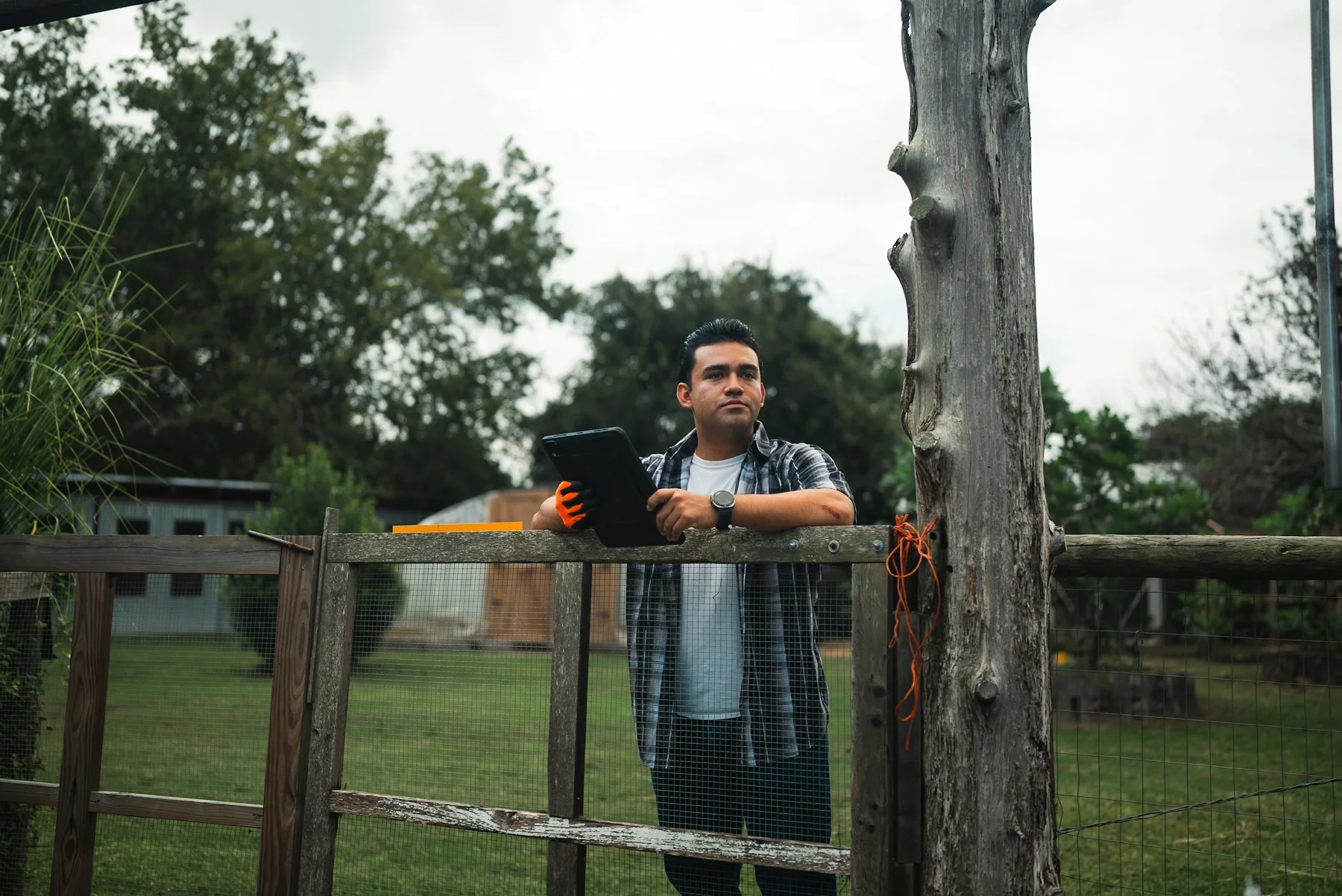
A programme collecting field records needs consistent evidence across locations. We could design the capture forms, pilot validation rules, train collectors, review exceptions and hand over a checked dataset with its provenance and known limitations.
An example of the work—not a client case study.Reference frameworks
Explore independent guidance that can inform the scope and evaluation criteria for this work. These links do not imply accreditation or endorsement.
Planning an engagement
What should we prepare?
Bring the decision you need to make, a description of the relevant systems or data, known constraints and your timeline. We can agree the appropriate access and confidentiality arrangements before any sensitive information is shared.
How do we define success?
We agree specific questions and useful outputs at the start. Outputs such as collection plan, instruments and data dictionary are reviewed against the decisions you need to make. Limitations, dependencies and follow-up work remain visible in the handover.